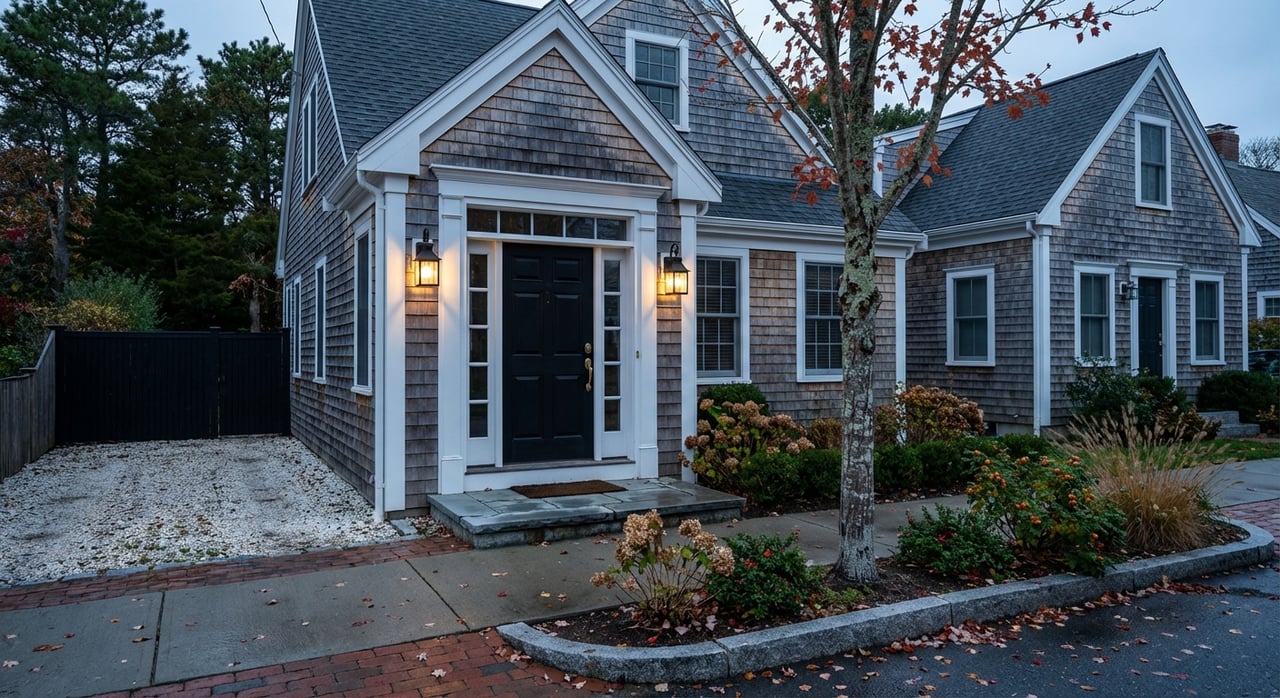
Thinking about moving to Mystic, but not sure if the day-to-day feels like your kind of life? You are not alone. Mystic is a charming maritime village with big seasonal swings, a compact walkable core, and a housing market that varies a lot by street. In this guide, you will get a clear look at housing options, commuting, lifestyle rhythms, and practical next steps so you can decide with confidence. Let’s dive in.
Mystic at a glance
Mystic is a village and census-designated place that spans the towns of Groton and Stonington in New London County. It had 4,348 residents at the 2020 U.S. Census, and it functions as both a year-round community and a regional visitor hub. You will see this mix most clearly downtown near the bascule bridge and waterfront. If you want to confirm the basics, start with the overview on Mystic’s Wikipedia page.
Two institutions shape the local rhythm and identity: the long-running Mystic Seaport Museum and Mystic Aquarium. These anchors influence job opportunities, seasonal hours for shops and restaurants, and the flow of visitors through town. When you picture Mystic’s brand of coastal New England life, you are likely picturing this core.
What living here feels like in each season
- Peak summer: From Memorial Day through Labor Day, downtown fills with visitors, hours run late at restaurants and boutiques, and weekend traffic increases. The vibe is lively and social, especially around the bridge and riverfront. Local guides like Mystic.org keep reliable event listings and seasonal details.
- Spring and fall: Shoulder seasons are pleasant and a bit quieter. Many residents say this is the best time to test daily life if you want the energy of open restaurants without peak-season crowds.
- Winter: The compact core becomes calm. Some visitor-oriented businesses reduce hours or close for part of the season. If you enjoy slower months and small-town quiet, winter living can be a plus.
Housing and neighborhoods
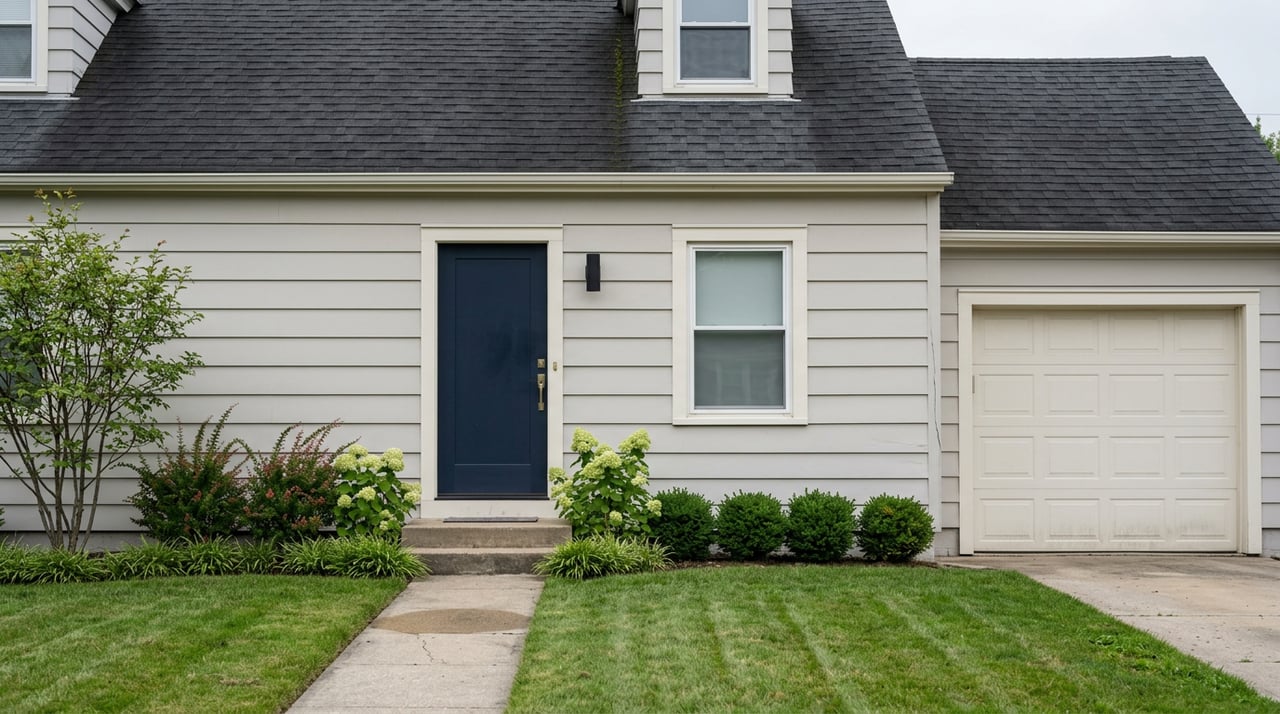
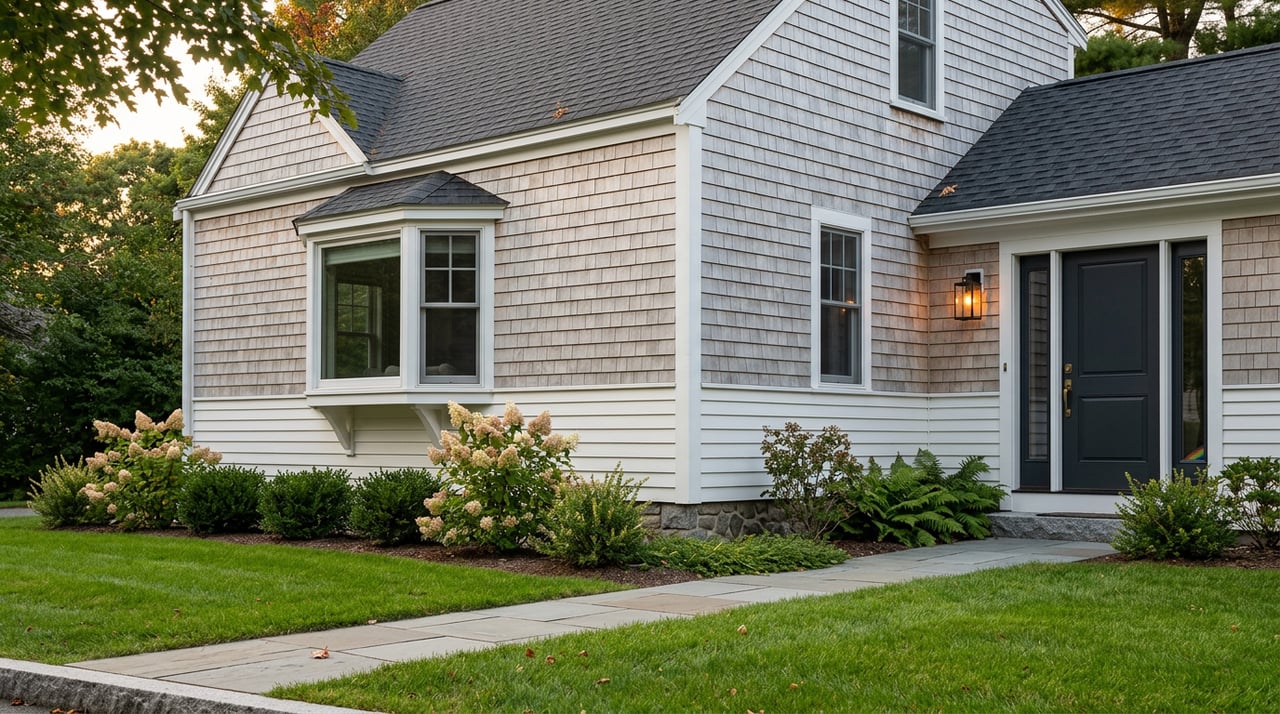
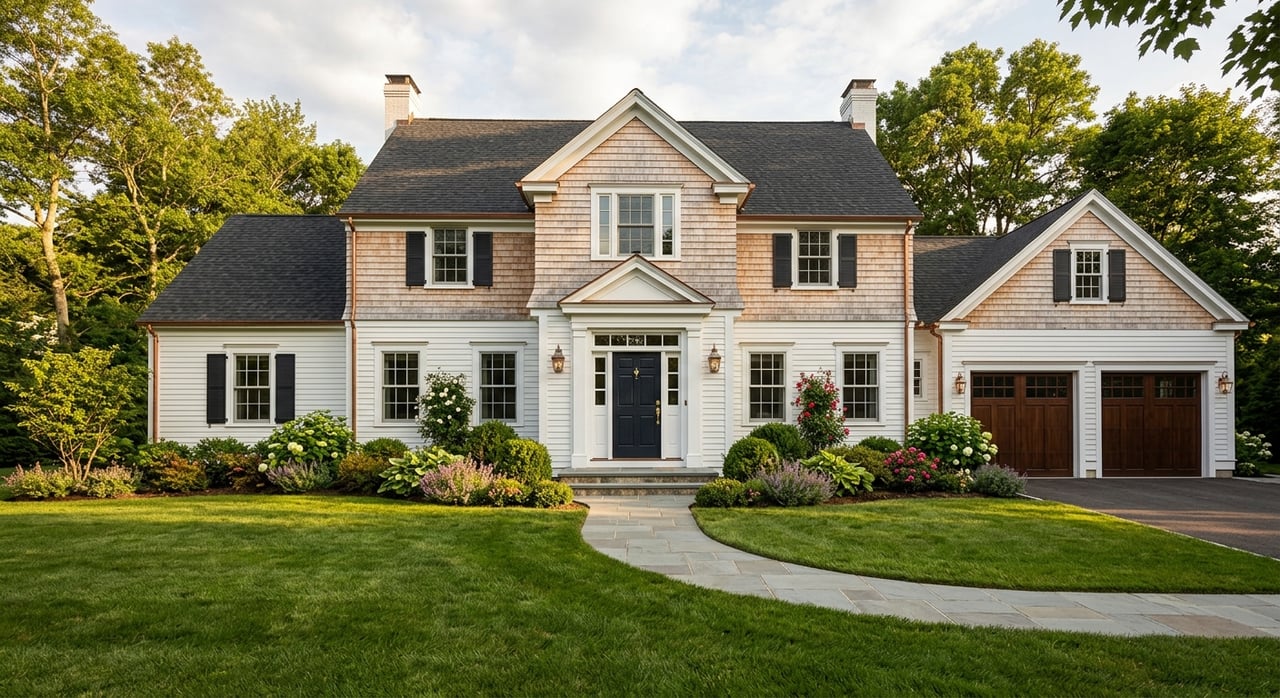
Mystic’s housing tells its maritime story. You will find 18th and 19th century captains’ homes, Victorian and Colonial houses in historic areas, compact downtown cottages and condominiums, and higher-value waterfront options. Mason’s Island is a private waterfront residential enclave. In the historic core, expect narrow lots and older foundations. Larger lots and some newer construction appear on nearby islands and outlying neighborhoods. These patterns are well documented in local summaries of Mystic’s history and housing.
Price patterns to know
Mystic is a small, scenic market, so a handful of listings can swing medians up or down. Listing medians for the broader ZIP can look high compared to much of southeastern Connecticut, while actual sold medians vary sharply by neighborhood. Recent neighborhood snapshots have shown downtown condo and cottage sales in the mid-hundreds of thousands, while historic districts and waterfront areas often close well above the mid-six figures and can exceed one million. That split between compact downtown living and premium waterfront is normal here.
For a smart search, focus on neighborhood-level comps rather than one ZIP-wide number. Because inventory is tight and sample sizes are small, one unusual sale can skew the data. If you want a clean read, ask for sold-price comps on the streets you care about and track seasonality in listings.
Where buyers often look first
- If you want walkability on a moderate budget: Explore downtown condos and compact cottages close to Main Street and Water Street. You trade private yard space for a lively core and the ability to leave your car at home for dinner.
- If you want space but not waterfront prices: Look just beyond the historic center for slightly larger lots and lower prices than the prime waterfront streets.
- If you want prestige and water access: Mason’s Island and historic waterfront homes stand out. These properties often sit in the seven-figure bracket, and sales can be infrequent, so timing matters.
Rentals and short-term stays
Rental rates in the Mystic ZIP have been in the low-to-mid thousands per month for standard apartments, and short-term vacation pricing rises in summer. If you plan to rent before buying, start early for peak season.
New supply and development
Stonington and nearby towns are seeing targeted multi-family proposals and approvals that could add inventory over time. For example, recent coverage of the Harbor Heights project highlights local review and approvals in process. If you follow new construction closely, review local planning notices and stories like this Stonington wetlands approval report.
Getting around Mystic
Driving and I‑95 access
Mystic sits just off Interstate 95, with convenient access near Olde Mistick Village and Coogan Boulevard. That makes regional trips fairly simple. Expect heavier weekend traffic in summer when visitor numbers spike, especially around downtown. For current events, parking notes, and visitor tips, check the local guide at Mystic.org.
The drawbridge effect
Mystic’s U.S. Route 1 bascule bridge is part of daily life. During the warm-water boating season, it opens on a regulated schedule for vessel traffic. That means periodic, predictable delays for cars through the downtown corridor. If you will commute by car in summer, it helps to learn the timing. You can read the official operating details in the federal drawbridge regulations.
Trains and local transit
Mystic has an Amtrak station on the Northeast Corridor line. For occasional trips to New Haven, Boston, or New York City, it can be handy. Always check the current timetable because frequency and travel times vary by train and time of day. You can confirm details at Amtrak’s Mystic Station page.
Connecticut’s Shore Line East commuter rail focuses on the New Haven to New London corridor. It does not regularly stop at Mystic, so daily rail commuters often plan around New London or Old Saybrook. Review current patterns and connections through Shore Line East and consider Southeast Area Transit (SEAT) buses for last-mile links.
Everyday life and amenities
Walkable cores and shopping
Downtown Mystic around Main Street and Water Street is compact and pedestrian-friendly, with restaurants, boutique shops, and river views. Olde Mistick Village, just off I‑95, offers a cluster of retail and dining as well. These are the areas that feel most like “living in Mystic” rather than just visiting. For event calendars and seasonal notes, browse Mystic.org.
Maritime recreation and boating culture
Sailing cruises, river tours, paddleboarding, and small boat rentals are part of daily recreation here. The Seaport’s programming and waterfront access anchor the maritime feel year-round. If a dock or mooring is important, contact local marinas about waitlists and fees well in advance. For a snapshot of local attractions and boat tours, review the regional listings on Visit Connecticut’s Mystic & Eastern page.
Schools and district lines
Mystic is not a separate municipality. The Stonington portion is served by Stonington Public Schools, and the Groton portion by Groton Public Schools. School assignment depends on the property’s municipal location. If schools are a key factor for you, verify the exact address with the district office and confirm busing and boundary details. You can also use the Mystic overview as a quick refresher on jurisdiction.
Healthcare access
You have multiple nearby hospitals. Yale-affiliated Lawrence + Memorial Hospital in New London is the closest full hospital for many Mystic addresses, and Hartford HealthCare’s Backus Hospital in Norwich is another regional option. Learn more about L+M’s services at Lawrence + Memorial Hospital.
Jobs and commuting patterns
Tourism and maritime activity are big pieces of the local economy. The region also benefits from defense and manufacturing employment tied to submarine building and the Naval Submarine Base in Groton, along with the nearby casinos. Hiring cycles in these sectors can influence housing demand. You can track broader defense-sector news through the state’s Office of Military Affairs updates.
Who Mystic fits best
Every buyer is different, but these patterns hold up well in real life:
- Young singles and couples who want walkability: You may like downtown condos or small cottages with restaurants and the riverfront in easy reach. Just know parking can be tight and summer crowds are part of the package.
- Families with school-age children: Good fit if the home aligns with your preferred district and daily routine. If you want larger yards at lower price points, compare nearby non-waterfront neighborhoods and adjacent towns. Always confirm district boundaries for any address.
- Commuters to larger cities: Mystic has Amtrak service for occasional trips, but daily rail commuters often look at New London or Old Saybrook schedules. If you will drive, test your route at the times you plan to travel and factor in summer weekend traffic.
- Retirees and remote workers: Many appreciate the quieter winter months, healthcare proximity, and cultural anchors. If you host guests often in summer, make sure your parking and access plans work for peak weekends.
Pros and cons of living in Mystic
Pros
- Strong maritime culture and classic New England character
- Compact, walkable downtown with dining and shopping
- Cultural anchors like the Seaport and Aquarium
- Quick I‑95 access to regional employers and cities
Cons
- Summer crowds and weekend traffic, especially near the bridge
- Highly variable housing prices by neighborhood, with expensive waterfront segments
- Some larger services and specialty shopping may require a short drive
Try before you move: a smart checklist
Use this quick plan to test how Mystic fits your life:
- Visit in two seasons. Compare a shoulder-season weekend with a peak-summer weekend to see the difference in traffic, noise, and hours. Local listings and events on Mystic.org make planning easier.
- Verify school lines by address. Because Mystic spans Groton and Stonington, confirm the district and busing for any property with the appropriate town or district office.
- Pressure-test your commute. Check Amtrak’s Mystic station for current service and review Shore Line East connections if you plan rail commuting. Drive your route at real commute times to gauge traffic.
- Use sold comps, not only listings. In a small market, one unique property can distort listing medians. Ask for neighborhood-level sold prices on the streets you care about.
- If boating access is essential, call marinas early. Ask about dockage and mooring waitlists, fees, and rules so you are not surprised after you close.
Ready to explore Mystic with a local plan?
If Mystic’s blend of waterfront energy and small-town calm sounds right for you, the next step is a focused search with local sold comps and a clear timeline. As a boutique, full-service advisor licensed in CT and RI, I pair neighborhood-level insight with responsive, hands-on guidance for residential, waterfront, investment, and distressed-property clients. When you are ready, schedule a free consultation with Miles A Lafemina to get a tailored plan and on-the-ground next steps.
FAQs
What is Mystic, CT, and how big is it?
- Mystic is a village and census-designated place that spans Groton and Stonington in New London County, with 4,348 residents at the 2020 Census, according to Wikipedia’s overview.
How busy does Mystic get in summer, and why?
- Peak visitor season centers on the downtown waterfront and anchors like the Seaport and Aquarium, which drive crowds, traffic, and longer business hours; local calendars on Mystic.org show what to expect.
Does the Mystic drawbridge affect daily driving?
- Yes. In boating season the bridge opens on a regulated schedule for vessels, creating periodic, predictable delays for cars; see the federal drawbridge regulations for operating details.
Can I commute by train from Mystic?
- Mystic has Amtrak service for intercity trips, but Shore Line East’s regular commuter stops do not include Mystic; check Amtrak’s Mystic page and Shore Line East for current schedules and connections.
What types of homes are common in Mystic?
- You will see historic captains’ homes, Victorian and Colonial houses, downtown cottages and condos, and premium waterfront properties like those on Mason’s Island; see the housing context in the Mystic overview.
Where is the nearest hospital to Mystic?
- Lawrence + Memorial Hospital in New London is the nearest full hospital for many Mystic addresses, with additional services in the region; learn more at L+M Hospital.