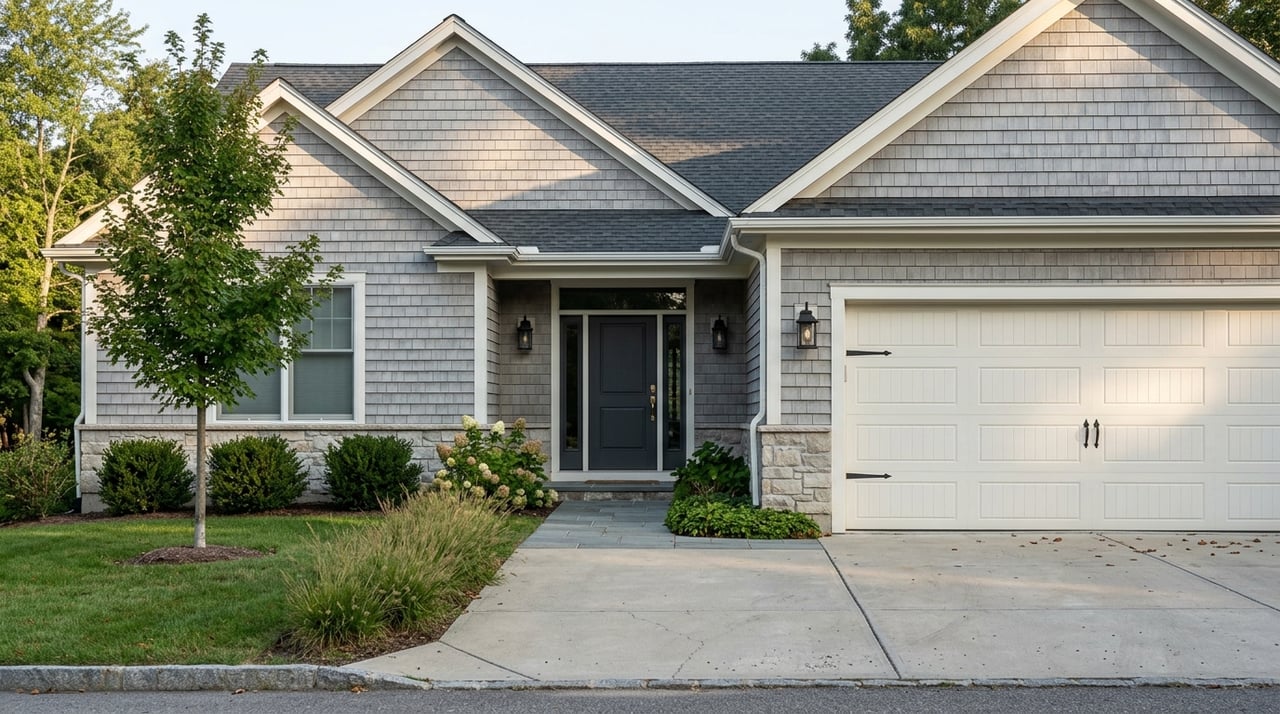
If you plan to work in Groton, your home search is about more than square footage and price. In this part of southeastern Connecticut, your daily drive can shape your schedule, stress level, and even which side of the Thames River makes the most sense for you. The good news is that Groton offers a wide range of housing choices and access to major employers, if you know how to narrow your options. Let’s dive in.
Why employer location matters in Groton
Groton is one of the region’s biggest job centers, with major employers that include the U.S. Navy Submarine Base, General Dynamics Electric Boat, Pfizer, and UConn Avery Point. According to the town’s economic profile, these major employers make up a large share of the local workforce, and many employees commute in from nearby towns.
That matters because buying near work in Groton is not a one-size-fits-all decision. Your best location depends on which employer you need to reach most often, what route you will use, and whether you want to cross the river as part of your normal workday.
Start with your real commute
A short commute on paper does not always feel short in real life. Groton’s workforce data shows an average travel time of about 19 minutes for employees working in town, and the broader area is considered reachable within about 30 minutes from much of the Norwich, New London, and Westerly labor market.
Still, mileage alone does not tell the full story. The Thames River, bridge traffic, and highway access can all affect how predictable your drive feels from day to day.
Think about the Thames River first
Most commuting to and from Groton happens within New London County, and Groton is a net importer of labor. That means many workers come in from nearby communities, and route choice matters more than many buyers first expect.
If you work in Groton, one of the most practical questions you can ask is this: Do I want to live on the same side of the Thames River as my job? For some buyers, that answer can simplify the search right away.
Factor in the Gold Star Bridge project
The Gold Star Memorial Bridge carries about 60,000 vehicles a day between New London and Groton. It is also in a long rehabilitation program expected to continue through 2030, with intermittent weekday lane closures and a newer traffic pattern that separates through traffic from local New London and Downtown Groton traffic.
For you, that means commute reliability can matter just as much as commute distance. If your work routine depends on crossing the bridge, it is smart to test that route during the morning and afternoon before you make an offer on a home.
Match your home search to your employer
Groton’s major employers are spread across town, so your target area should reflect your destination. A buyer working at Electric Boat may prioritize different access points than someone headed to Pfizer or another manufacturing or health care employer.
Instead of searching the whole area the same way, it helps to define your search around a few practical questions:
- Where do you report to most days?
- Do you need easy access to I-95 or I-395?
- Will you cross the Thames River regularly?
- How important is a predictable drive versus a lower purchase price?
- Do you want to be close to shoreline amenities, or is budget your main priority?
Understand Groton’s housing mix
One reason Groton appeals to many buyers is that it is not limited to one type of housing. The City of Groton planning profile shows a diverse mix that includes single-family homes, smaller two- to four-family properties, and larger multifamily housing.
That gives you more flexibility than you might find in a market dominated by only detached houses or only apartments. Depending on your budget and goals, you may be able to consider several property types instead of narrowing too early.
You may have more than one path
If you want a more traditional homeownership setup, you may focus on a detached single-family house. If you want lower maintenance or a smaller footprint, an attached home or condo-style option may fit better.
If you are also thinking about long-term flexibility, Groton’s mix of housing types can open the door to smaller multifamily opportunities in some parts of the market. That can be especially useful if you want to balance owner occupancy with future investment goals.
Compare price tiers across Groton
Groton’s housing market covers a broad range of price points, and that is one of the biggest advantages for buyers trying to stay near work. In May 2026, the 06340 market showed a median listing price of $489,900, a median sold price of $310,000, and a median rent of $2,200.
Those numbers suggest that buyers can find options at different levels, but they also show why local pricing needs careful interpretation. Listing price, sold price, and broad home-value ranges measure different things, so neighborhood comps and property condition matter a lot.
Mystic usually costs more
If you are drawn to Mystic or West Mystic, expect a higher price tier. In March 2026, the nearby 06355 market showed a median listing price of $747,000, with even higher pricing in West Mystic and the Mystic Historic District.
That does not mean those areas are out of reach or not worth considering. It simply means you should weigh whether the location, setting, and amenities justify the premium for your budget and commute needs.
Broader Groton may offer more flexibility
Within 06340, areas such as Conning Towers Nautilus Park showed a lower entry point, around $434,900 in the data cited. The town profile also shows a broad spread of home values, with large groups of homes in the $300,000 to $399,999 range and the $500,000 to $749,999 range.
For buyers who want to stay close to major employers without stretching into Mystic-level pricing, broader Groton may offer a more manageable path. That can make a big difference when you are trying to balance monthly costs with commute convenience.
Balance commute, budget, and lifestyle
Buying near work is important, but it is usually not the only goal. Groton also offers shoreline access, beaches, trails, concerts, restaurants, and a mix of historic village and coastal settings.
That gives you a classic tradeoff. You may decide to pay more for a location with a certain feel or setting, or you may decide that keeping your commute simple and your budget stable matters more right now.
Ask what matters most in daily life
A home can look great online and still be a poor fit for your routine. Before you choose an area, think about how your work hours, driving tolerance, and housing costs will affect your day-to-day life.
It helps to rank these priorities clearly:
- Commute predictability
- Monthly budget
- Property type
- Proximity to shoreline or village amenities
- Long-term flexibility
Once you know your top priorities, the right neighborhoods and price bands usually become easier to spot.
Why the market can feel competitive
If the search feels tight, the data helps explain why. Groton’s housing study update reported a local apartment vacancy rate of 2.3% in 2023 and rent growth of 19% since 2020.
The same study also estimated townwide housing demand potential of up to 6,450 units over the next decade, driven in part by Electric Boat hiring, rental upgraders, and incoming commuters. In plain terms, many people are competing for housing in the same employment region.
That is why buyers often benefit from being realistic and prepared early. If you are comparing renting versus buying near Groton’s major employers, timing and strategy can matter almost as much as the property itself.
A smart way to shop near Groton employers
When you start touring homes, try to evaluate each one through the lens of your actual workweek. A lower-priced home may save money upfront but create more uncertainty if your route depends on bridge traffic. A higher-priced home may offer easier access and a smoother routine.
The goal is not to find the “best” area in general. The goal is to find the location that best fits your employer, your budget, and your day-to-day life.
A strong local plan often includes:
- Defining your main work destination first
- Testing the commute during real traffic times
- Comparing property types, not just price points
- Weighing Mystic-area premiums against broader Groton options
- Reviewing neighborhood-level comps before making an offer
Buying near Groton’s major employers can be a smart move when you approach it with clear priorities and local context. If you want practical guidance on Groton, Mystic, and the surrounding Eastern Connecticut market, Miles A Lafemina can help you compare options and move forward with confidence.
FAQs
What should I prioritize when buying a home near Groton employers?
- Start with your main job location, your likely commute route, and whether you want to avoid crossing the Thames River on most workdays.
How long is the average commute for people working in Groton?
- Groton workforce data shows an average travel time of about 19 minutes for employees working in town.
Does the Gold Star Bridge project affect Groton homebuyers?
- Yes. The bridge rehabilitation project includes traffic pattern changes and intermittent lane closures, so commute timing and route testing are important during your home search.
Are homes in Mystic more expensive than homes in Groton?
- Generally, yes. The research shows materially higher median listing prices in the 06355 Mystic market than in the broader 06340 Groton market.
What kinds of homes can buyers find in Groton?
- Groton has a varied housing stock that includes single-family homes, two- to four-family properties, and larger multifamily housing.
Why does buying near work in Groton feel competitive?
- Local housing data points to low apartment vacancy, rising rents, and strong future housing demand tied to hiring and commuter inflow in the region.