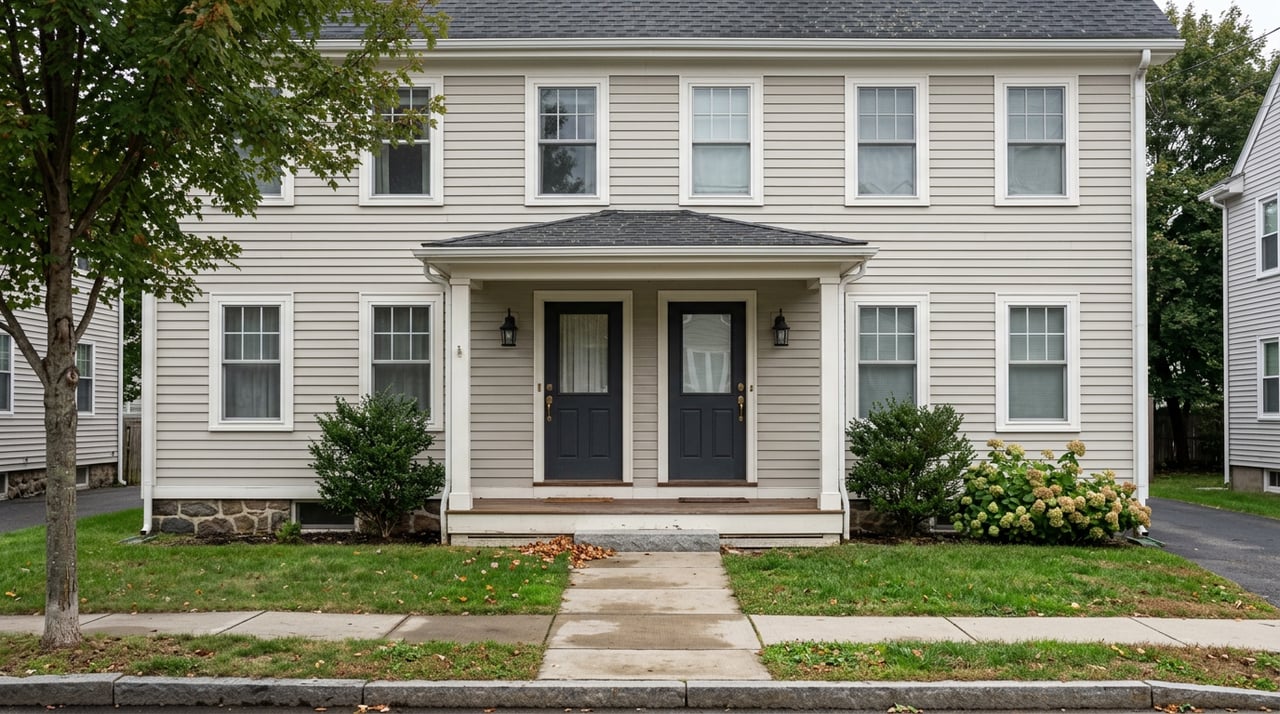
Looking for an affordable way to start or scale your rental portfolio in Eastern Connecticut? Griswold offers lower entry prices and a healthy mix of single-family homes and small multifamily buildings, especially around Jewett City. You still need to watch taxes, flood zones, and older building systems to make the numbers work. This guide shows you where to look, what deals cost and rent for, how to screen returns, and the local checks that protect your bottom line. Let’s dive in.
Why Griswold draws investors
Griswold sits in the Southeastern Connecticut Planning Region with a population around 11,700 and an owner-occupied rate near 75.7 percent, which suggests a steady base of homeowners and a defined rental market. You will find about 5,165 housing units in town. Local reporting shows roughly 70 percent of homes are single family and about 24 percent are in multifamily buildings, which helps explain the presence of 2 to 4 unit opportunities around the town center.
New construction has been modest. From 2020 to 2024, about 150 housing units were permitted, and around 97 percent were single family. That means limited new small-multifamily supply and more room for value-add plays when you find a solid 2 to 4 unit in good condition.
Sources: population, housing units, and owner-occupied rate from U.S. Census QuickFacts; housing mix and permitting from CTDataHaven’s local report.
Where to look: Jewett City and villages
Small multifamily inventory concentrates in the Borough of Jewett City and along river corridor villages like Glasgo and Hopeville. Many of these properties are early to mid 20th century structures with classic New England layouts.
Before you assume unit counts or plan a conversion, check the town’s zoning rules and the separate borough appendix. Confirm whether current use is permitted and whether any extra units would require a special permit. Start with the town’s zoning regulations and borough appendix and then call Planning and Zoning for site-specific guidance.
Current prices and rents
The 2024 median sale price for all residential in Griswold was about $325,000. For small multifamily, there were 8 sales in 2024 at a $304,000 median. Use this as a local MLS-based benchmark when you comp 2 to 4 unit properties.
For an up-to-date sense of home values, note that a market index shows a typical Griswold home value near $335,069 as of late February 2026. Indexes measure value differently than medians, so do not treat them as the same.
Rents vary by source and date. The Census-based median gross rent for 2019 to 2023 was $1,105, which includes utilities. A more current asking-rent index shows average asking rents around $1,862 as of February 28, 2026. Use both as context, then verify real leases and current listings in the submarket you target.
Source for 2024 sales medians: Eastern Connecticut Realtors town statistics.
Quick math: screen deals fast
Key metrics at a glance
- GRM (Gross Rent Multiplier) = Price ÷ Annual Gross Rent. Investors often screen around 8 to 15. See a clear explainer on GRM here.
- Gross rental yield = Annual Rent ÷ Price.
- 50 percent rule (expense heuristic): plan around half of gross rent for operating costs before mortgage. Learn the basics in this rental cash flow guide.
- Cap rate = NOI ÷ Price. In Connecticut, small 2 to 4 unit cap rates often sit in the mid to high single digits for value-add assets. Some advertised deals print around 7 to 11 percent when upside is present. Verify with actual income and expenses.
Example: a median-priced 2-unit
Use the 2024 multifamily median price of $304,000 and two rent scenarios. This is a screening example, not an offer.
Conservative scenario (lower rent benchmark):
- Assume 2 units at $1,100 per month each. Monthly gross = $2,200. Annual gross = $26,400.
- GRM = 304,000 ÷ 26,400 ≈ 11.5.
- 50 percent rule → estimated NOI ≈ $13,200.
- Cap rate ≈ 13,200 ÷ 304,000 ≈ 4.3%.
Aggressive scenario (higher asking-rent environment):
- Assume 2 units at $1,800 per month each. Monthly gross = $3,600. Annual gross = $43,200.
- GRM = 304,000 ÷ 43,200 ≈ 7.0.
- 50 percent rule → estimated NOI ≈ $21,600.
- Cap rate ≈ 21,600 ÷ 304,000 ≈ 7.1%.
Your actual results should reflect verified rent comps, a realistic vacancy factor, updated taxes, current insurance quotes, utilities, and reserves for capital items.
Taxes, revaluation, and your NOI
Griswold assesses real property at 70 percent of market value, and the current mill rate used for the Oct 1, 2024 grand list is 27.18 mills. A scheduled statistical revaluation is noted for the assessment year beginning October 1, 2026. Property tax is a large expense line, so model it precisely.
Example using the $304,000 price:
- Assessed value ≈ 70 percent of $304,000 = $212,800.
- Annual tax ≈ 212.8 mills × 27.18 ≈ $5,785 per year.
Always confirm with the actual assessor card and current tax bill. Source: the town’s official statement.
Zoning, flood, and building checks
- Zoning and legal unit counts. Griswold maintains a town code and a separate borough appendix for Jewett City. Confirm permitted use, parking, lot coverage, and unit legality before you underwrite rent. Start with the zoning regulations, then verify with Planning and Zoning.
- Floodplains. Properties along the Pachaug River and connected corridors may fall in FEMA Special Flood Hazard Areas such as Zone A or AE. Pull FEMA FIRMs and budget flood insurance if a parcel is in a mapped flood zone. See regional floodplain notes in the hazard mitigation materials.
- Building age and systems. Expect older heating systems, possible oil service, legacy electrical, and potential lead paint in pre-1978 buildings. Plan for inspections, contractor bids, and a capital reserve. Local housing condition and ownership patterns are discussed in CTDataHaven’s report.
Financing paths for 1–4 units
- Owner-occupied options. FHA typically allows low down payment for eligible borrowers on 1 to 4 unit properties you occupy. Program rules and loan limits change, so confirm with your lender. Review FHA guidance from HUD.
- Conventional owner-occupied. Some agency-backed programs offer reduced down payments for 2 to 4 units when you live in one unit. Check current terms and mortgage insurance details.
- Investor financing. DSCR and other non-QM options underwrite against property cash flow, which can be useful if you do not plan to occupy. Compare rates, reserves, and prepay penalties.
Financing terms shift your cash-on-cash returns, so align your loan with your strategy, whether that is buy and hold, house-hack, or BRRRR.
Step-by-step screening workflow
- Pull 2 to 4 unit listings in Griswold and Jewett City that fit your price band. Save 3 to 6 sold comps from the last 6 to 12 months. Use local MLS data or the Eastern Connecticut Realtors town summary for context.
- Get the assessor card and latest tax bill. Calculate taxes using the assessed value at 70 percent of market and the current mill rate. Town financials are summarized in the official statement.
- Collect rent comps. Use current listings, property manager checks, and known leases. Compare against the older Census median and the more current asking-rent index to bracket your numbers.
- Run quick screens. Compute GRM and gross yield, then apply the 50 percent rule to estimate NOI and cap rate. If it passes, request full P&L, utility histories, insurance quotes, and contractor bids. For a GRM refresher, see this explainer. For expense heuristics, review this cash flow guide.
- Confirm zoning and risk. Verify legal units, parking, and use with the zoning code. Check flood maps and plan inspections for older systems.
Common strategies and risks
Opportunities:
- Entry-level buy and hold. Many 2 to 4 unit properties trade in a price band that is often lower than nearby suburban and waterfront towns. Interior updates and tenant repositioning can lift income, especially in Jewett City.
- House-hacking. Live in one unit and rent the others using an owner-occupied loan. Revisit terms after seasoning if you plan to refinance into an investor product.
Key risks to watch:
- Taxes and revaluation. The next statistical revaluation begins October 1, 2026. Model taxes using the assessor card, not a rough estimate, and stress test for increases.
- Flood exposure. Parcels near the Pachaug River or other low-lying areas may require flood insurance. Check FEMA FIRMs and price the policy.
- Capital items and age. Older roofs, boilers, panels, insulation, and lead paint risk require reserves and insurance underwriting.
- Data variance. Market medians and indexes differ by method and date. For example, 2024 all-residential median was $325,000 while a February 2026 value index printed $335,069. Always note source and timestamp.
Ready to explore deals?
If you want a Griswold duplex or a house-hack that can actually cash flow, you need hyper-local comps, precise tax modeling, and a clear read on rents and rehab scope. That is where a hands-on, local advisor helps. As a community-rooted agent with investment and distressed certifications (CIREC, SFR), I will source options, run the numbers with you, and manage a disciplined offer and due diligence plan. When you are ready, connect with Miles A Lafemina to schedule a free consultation.
FAQs
What cap rates do small multifamily properties in Griswold usually show?
- Many 2 to 4 unit deals in Connecticut print mid to high single-digit cap rates, with some value-add cases around 7 to 11 percent when upside is real. Verify with actual income and expenses.
How are Griswold property taxes calculated for underwriting?
- Real property is assessed at 70 percent of market value and multiplied by the town mill rate of 27.18 mills for the Oct 1, 2024 grand list, with a revaluation scheduled for Oct 1, 2026; confirm with the official statement.
Where do I find most 2 to 4 unit listings in Griswold?
- Start in Jewett City and nearby river corridor villages; then confirm unit legality, parking, and use in the zoning code and borough appendix.
What rents should I use to screen a Griswold duplex?
- Bracket your estimate with the Census-based median gross rent of about $1,105 and a more current asking-rent index near $1,862, then verify with real leases and current local listings.
Are flood zones a concern for Griswold rentals?
- Yes, some river-adjacent parcels fall in FEMA Special Flood Hazard Areas such as Zone A or AE; check FIRMs and budget flood insurance, and review regional notes in the hazard mitigation materials.
Is new construction likely to change rental supply soon?
- From 2020 to 2024, about 150 units were permitted in Griswold and roughly 97 percent were single family, which suggests limited near-term growth in small-multifamily supply per CTDataHaven.