Thinking about buying a home in Mystic and not sure where to start? You’re not alone. Between coastal considerations, historic homes, and competitive micro-markets, it can feel like a lot. This guide gives you each step, plus the local checks that matter most in Mystic and Stonington so you can make a confident offer and close smoothly. Let’s dive in.
Understand Mystic’s micro-markets
Mystic spans two towns: Stonington and Groton. This guide focuses on the Stonington side, including Stonington Borough, Pawcatuck-adjacent areas, and nearby inland neighborhoods. Listings vary by setting, and each comes with different costs and risks.
Expect four common segments:
- Waterfront homes with docks or seawalls
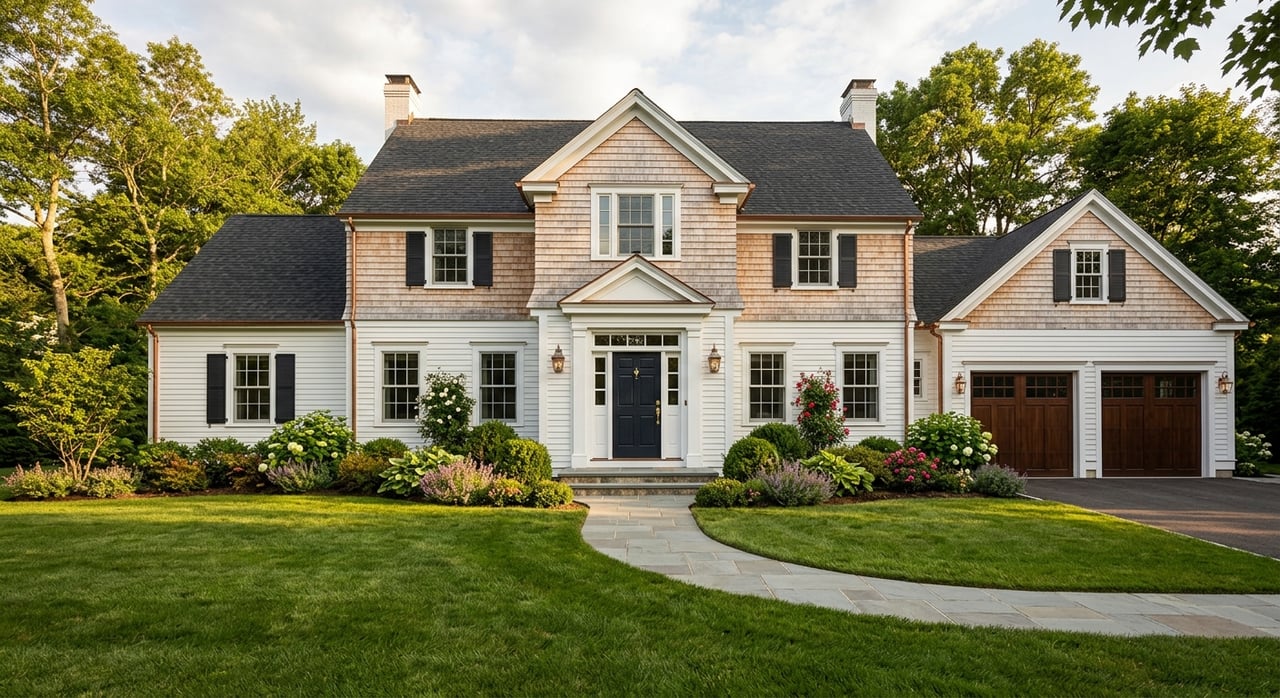
- Historic village and borough properties with high walkability
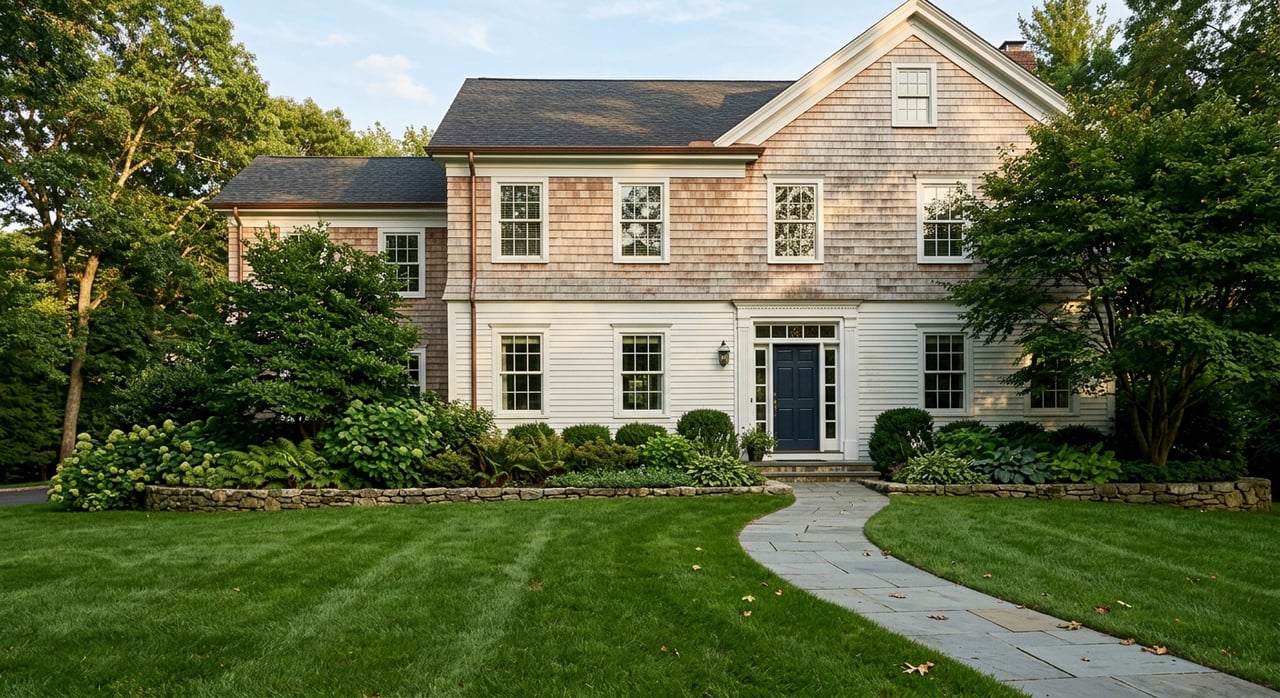
- Inland single-family neighborhoods
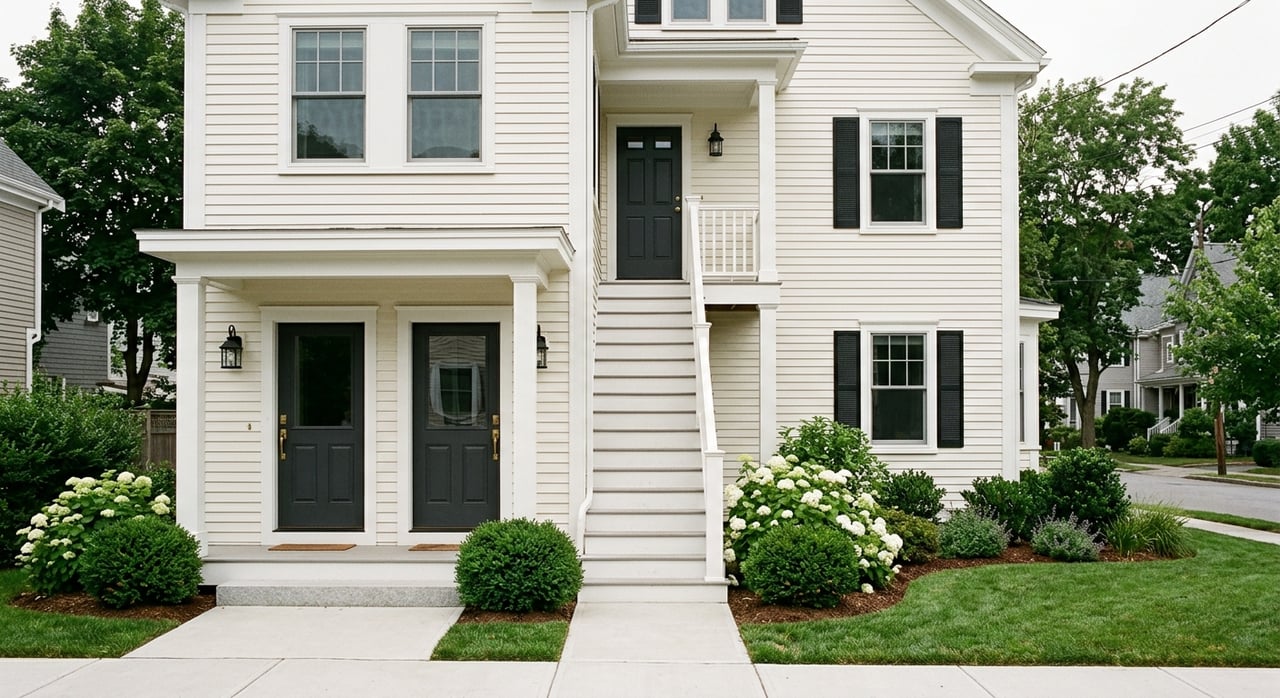
- Condominiums and cluster homes
Inventory is limited and highly local. Coastal and historic homes often trade in a tighter, more competitive band, and spring and summer can be more active. Buyers include local downsizers, second-home shoppers, and relocating professionals, so plan to move quickly with a well-documented offer.
Step 1: Prepare financing and team
Get a written mortgage pre-approval from a lender experienced with Connecticut coastal properties. Your letter should show loan type, maximum amount, and any mortgage insurance or assistance (for eligible buyers, programs may be available through CHFA). This clarity gives sellers confidence in your offer.
Set aside funds for down payment, closing costs, and reserves. Closing costs in this region often fall in the low single digits of the purchase price, but confirm with your lender and attorney. Coastal homes may require larger reserves for insurance and maintenance.
Select a local buyer’s agent who understands historic, waterfront, and Stonington-specific customs. A local expert will flag flood zones, septic versus sewer, and any historic oversight that could affect your plans.
Step 2: House hunt with local due diligence
Narrow areas and view in different conditions
Decide whether you want waterfront, village, inland, or condo living. Tour homes at different times and conditions. For shoreline properties, check tide changes, weekend traffic, storm exposure, and actual water access.
Key questions before offering
Ask these upfront to avoid surprises:
- Is the property in a FEMA Special Flood Hazard Area? Is there an elevation certificate?
- Is it on public sewer or private septic? What is the system’s age and inspection history?
- Is the home in a historic district or subject to design review?
- What are the current homeowner and flood insurance premiums, and any prior claims?
- Are there shared driveways, dock or mooring agreements, or recorded easements?
Consider a limited pre-offer inspection
In competitive situations, a paid pre-offer inspection (with seller consent) can help you understand major issues without waiving protection entirely. This is useful for older or waterfront homes where systems, masonry, or marine structures may need attention.
Step 3: Make a strong local offer
Strengthen financing credibility
Attach a formal pre-approval and proof of funds for earnest money and down payment. Keep your offer package clean, complete, and easy for the seller to accept.
Terms that matter to sellers
Offer a realistic closing timeline and a focused contingency window. Consider a flexible closing date or short rent-back only if it fits your plans and your attorney approves the terms. Keep critical protections like inspection and financing contingencies, or replace them with informed alternatives only after careful review.
Competitive strategies to use carefully
Escalation clauses and larger earnest money deposits can help, but understand Connecticut contract rules and how funds are handled. Shorter contingency periods can be effective if you are prepared and your team can move quickly. Work with your agent and attorney to ensure terms are enforceable and customary.
Use proper forms and attorney review
Use the standard Connecticut purchase contract supplied by your agent or association. Attorneys commonly review contracts and handle closings in Connecticut. Engage an attorney early if you anticipate title or easement complexities.
Step 4: Inspect, verify, and appraise
Expect a standard inspection for structure, roof, and systems, followed by targeted checks common in Stonington and Mystic:
- Elevation certificate review and flood risk assessment if in a mapped flood zone
- Septic inspection and pumping records; confirm Health Department compliance
- Private well water testing if applicable
- Chimney and masonry review, plus an oil tank sweep in older homes
- Pest inspection for wood-destroying insects
- Environmental testing as indicated, including lead paint in pre-1978 homes and possible asbestos
- Marine contractor evaluation of seawalls, bulkheads, and docks
- Survey review for boundaries, riparian rights, and encroachments
- Radon testing as recommended in Connecticut
Your lender will order an appraisal. In areas with limited comparable sales, appraisal outcomes can vary, so keep your appraisal contingency plan clear. Have your attorney and title company run a full title search to identify easements, restrictions, or conservation covenants.
Step 5: Close with confidence
Connecticut closings typically run 30 to 60 days after contract, depending on financing, inspections, and title. Coordinate with your lender, attorney, and insurance providers to secure your homeowner and flood insurance binders before closing. Complete a final walkthrough and confirm agreed repairs, then review your closing statement so you understand all fees and who pays what.
Coastal and historic property factors
Flood risk and insurance
Verify the home’s FEMA flood zone and ask for existing elevation certificates. If the home is in a Special Flood Hazard Area and you use a federally regulated lender, flood insurance is required. Consider long-term coastal risks using reputable state and federal resources when evaluating affordability.
Seawalls, docks, and moorings
Have marine structures inspected by qualified professionals. Repairs and permits can be costly and time consuming. Confirm mooring rights and tidal access, which may be governed separately from the deed.
Historic district oversight
In areas like Stonington Borough or other designated historic districts, exterior changes may require review by a local commission. Understand the boundary and rules before planning alterations and budget for period-appropriate repairs.
Septic, wells, and wetlands
Many older shoreline parcels use private septic systems. Replacements or upgrades near tidal wetlands may require both town and state approvals. Confirm any wetlands setbacks that could limit expansion or rebuilding.
Utilities, access, and parking
Ask about oil heat history, including underground tank removal. Review any shared driveway agreements and village-area parking rules. Winter access and snow removal norms can also matter in compact historic streets.
Taxes and assessments
Property tax rates vary by municipality. Use the Stonington Assessor’s records to estimate your taxes, and ask about any special assessments that could affect costs.
Win in competition without excess risk
- Get a strong pre-approval and be ready to produce a quick mortgage commitment.
- Prioritize high-impact inspections early, like septic, pest, and marine structure checks.
- Shorten contingency windows rather than waiving protections outright.
- If you use an escalation clause or appraisal gap coverage, define clear caps and proof requirements.
- Offer flexible timing or simple terms that reduce friction while keeping your key safeguards.
Quick local checklists
Pre-offer checklist
- Written pre-approval with loan type and amount
- Proof of funds for earnest money and down payment
- Local agent experienced in Mystic and Stonington
- Answers on flood zone, sewer vs. septic, dock or mooring rights, historic district status, and insurance claims
- Plan for targeted inspections: septic, seawall or dock, structural, pest, and well if applicable
What sellers expect in offers
- Clean, complete Connecticut offer form
- Formal lender pre-approval attached
- Quick but realistic inspection and financing timelines
- Closing schedule that aligns with the seller’s needs
Due diligence during inspections
- Title search for easements and covenants
- Survey for boundaries and encroachments
- Septic inspection and Health Department compliance
- Flood mapping, elevation certificate, and insurance quotes
- Seawall, bulkhead, dock, and mooring review
- Historic district rules and any pending enforcement
Closing prep
- Secure homeowner and flood insurance binders
- Review your closing statement with your attorney
- Confirm funds and payment methods
- Final walkthrough to verify condition and repairs
Who to contact first
- Stonington Assessor’s Office for taxes and parcel records
- Town Clerk/Land Records for deeds and recorded easements
- Planning and Zoning for permitted uses and site plans
- Building Department for past permits and major repairs
- Health Department for septic records and compliance
- Wetlands/Conservation Commission for coastal and wetlands permits
- Historic District Commission for design review rules
- CHFA for first-time buyer programs and down payment assistance
- FEMA Flood Map Service Center for current flood zone maps
- NOAA sea-level tools for long-term coastal context
- CT DEEP for coastal, tidal wetlands, and environmental permitting guidance
If you want a hands-on partner who knows the Mystic and Stonington details, schedule a friendly consult to map your exact path, from pre-approval to keys in hand. For local guidance and a step-by-step plan tailored to your timeline, reach out to Miles A Lafemina.
FAQs
Do I need flood insurance to buy in Mystic?
- If your lender determines the home is in a FEMA Special Flood Hazard Area, flood insurance is required; many shoreline buyers choose coverage regardless—get quotes early.
Which inspections are essential for waterfront or historic homes?
- Prioritize structural, pest, chimney, oil tank sweep, septic evaluation, well testing if applicable, lead paint and asbestos as indicated, and a marine review of seawalls or docks.
How fast do homes sell in Mystic’s village and waterfront areas?
- Desirable properties can receive offers within days due to limited inventory, so prepare a strong, complete offer and move quickly.
Will a historic district limit my renovation plans in Stonington?
- Possibly; exterior changes in designated districts often require commission review, so confirm boundaries and process before you buy.
Who typically pays closing costs in Connecticut?
- Customs vary; buyers usually handle lender and title-related fees while sellers often cover broker commissions and certain municipal charges—confirm specifics with your attorney.