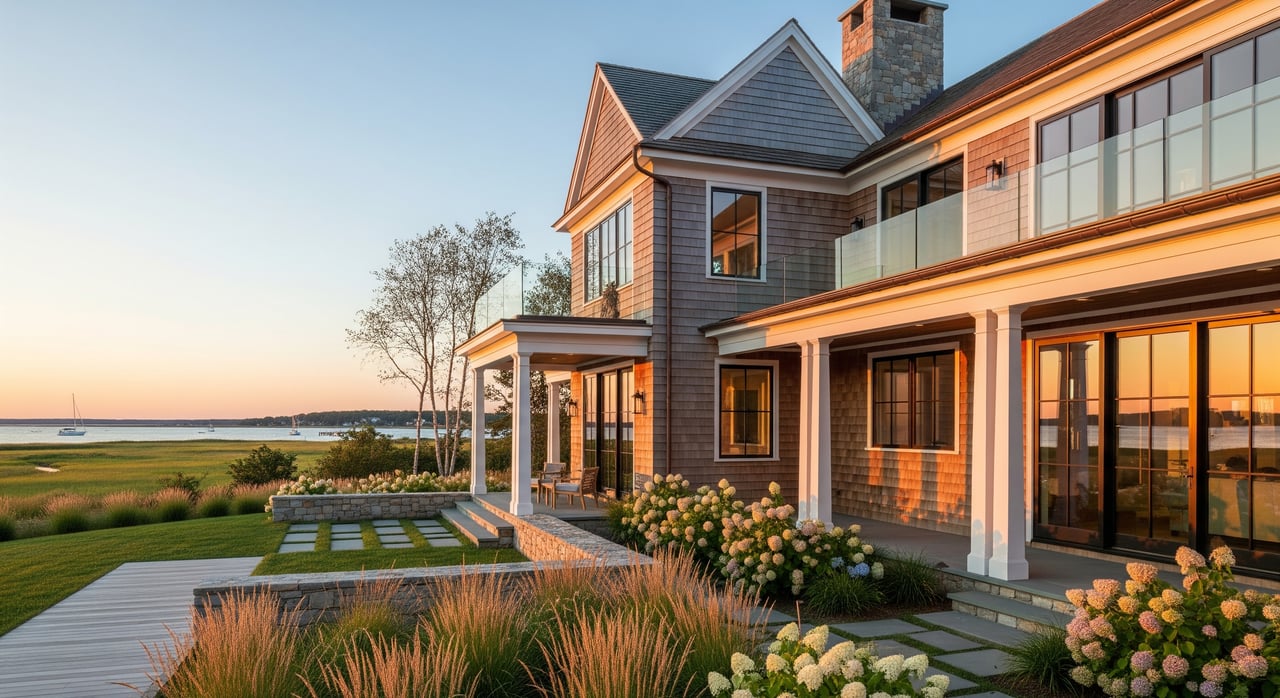
Thinking about buying or selling in East Lyme and wondering what today’s buyers really want? You are not alone. The shoreline lifestyle, seasonal rhythms, and practical coastal concerns shape what gets attention and what sells fast. In this guide, you will learn the features that matter most, how they influence price and time on market, and what to prioritize so you can move with confidence. Let’s dive in.
What East Lyme buyers value now
East Lyme’s draw starts with the shoreline. Proximity to Niantic Bay, the boardwalk, marinas, and beaches like Rocky Neck shapes your daily life. Buyers often weigh walkability, views, and access to the water alongside the home itself.
You also see a mix of full‑time residents, commuters, second‑home buyers, and retirees. That mix influences preferred layouts, maintenance needs, and operating costs. Local factors like flood zones, coastal erosion, and septic or sewer availability are part of nearly every serious conversation.
Interiors that work year‑round
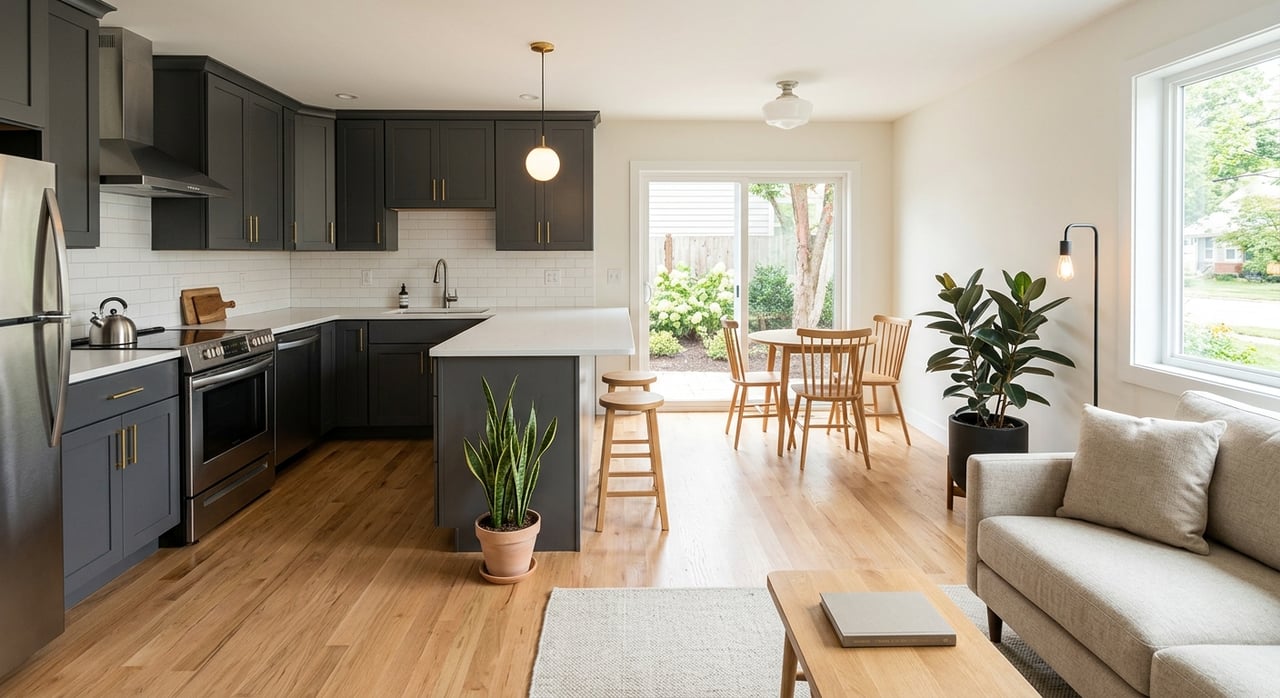
Buyers continue to look for openness with some separation. Open kitchen and living areas support gatherings, while a den or flex room helps with focus and rest. Clear zones boost comfort for both seasonal living and daily routines.
A main‑level primary bedroom is a strong plus. It appeals to those planning for long‑term comfort or one‑level living. Paired with an updated bath, it can become a deciding factor.
Dedicated office space remains important. Many people work remote or hybrid, so a quiet, well‑lit room or a versatile loft adds value. You do not need a large footprint. You need a space that feels functional.
Modern kitchens and baths still carry the most weight. Neutral finishes, quality counters, good lighting, and refreshed fixtures help a home feel move‑in ready. Storage and a practical mudroom are especially helpful for beach gear and seasonal items.
Outdoor living that extends the season
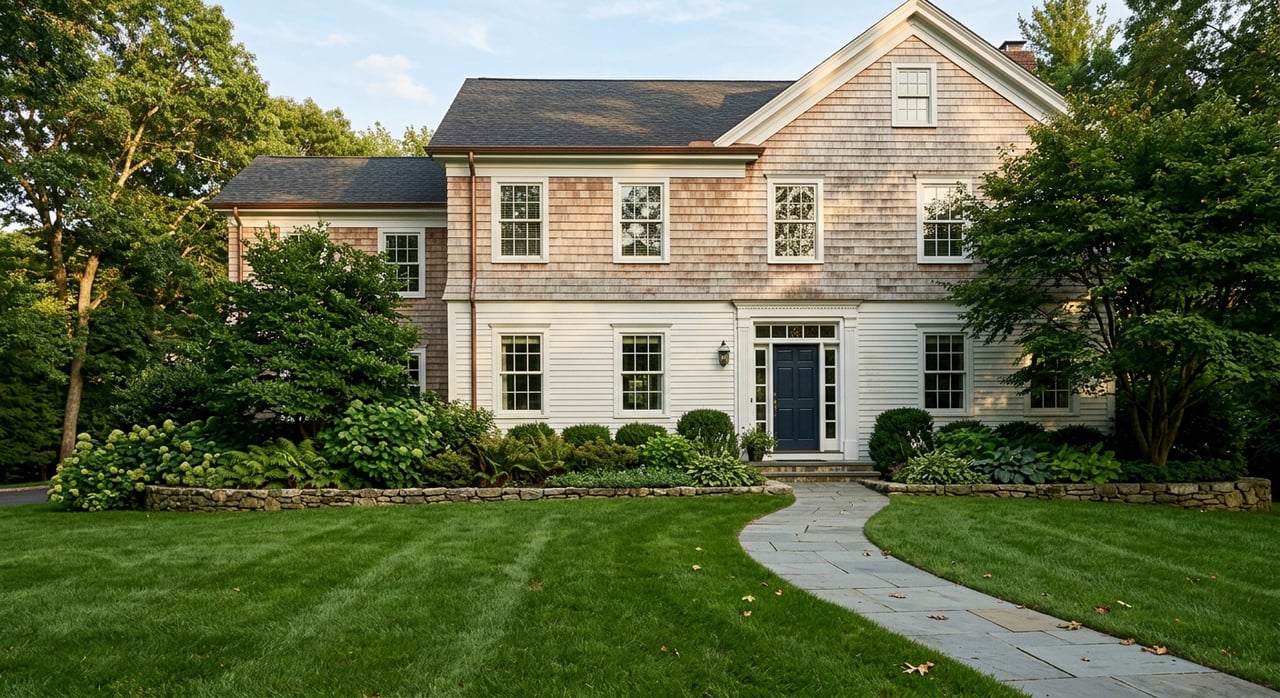
Usable outdoor space is a big deal in a shoreline town. Buyers respond to decks, patios, and simple outdoor kitchens that make spring through fall feel bigger and better. Thoughtful landscaping adds to daily enjoyment and curb appeal.
Access to the water drives premiums. Deeded beach rights, a nearby boat launch, or a private dock can push a property into a different category. Even without direct access, easy reach to marinas or the boardwalk can shorten time on market.
Low‑maintenance, salt‑tolerant choices save headaches. Coastal plantings, composite decking, and corrosion‑resistant fixtures reduce upkeep and help a home look fresh longer.
Energy efficiency and smart systems
Comfort and cost matter. High‑efficiency heating and cooling, including heat pumps or efficient boilers, and smart thermostats are attractive to buyers tracking monthly expenses. You feel the benefit the moment you walk into a well‑insulated home.
Better windows and upgraded insulation can be a tie‑breaker. Buyers notice quiet rooms, fewer drafts, and lower estimated utility bills. Solar readiness or installed panels also catch interest, especially when paired with clear documentation.
Simple smart‑home features help daily life. Smart locks, lighting, and basic security can make a property stand out and may speed up a sale.
Coastal resilience and flood readiness
Prepared homes win trust. Elevated mechanicals, flood vents, and flood‑resistant materials reduce risk on properties in or near flood zones. Documentation of what has been done matters.
Clear insurance details help you compare homes fairly. Early information on FEMA flood zones, elevation certificates, and estimated National Flood Insurance Program premiums reduces surprises. Buyers respond to transparency.
Practical systems that build confidence
Major systems drive decisions. Buyers ask about the age and condition of the roof, electrical, heating and cooling, and septic or waste systems. Deferred maintenance often leads to longer negotiations and slower sales.
Parking and storage add everyday value. A garage or covered parking supports both year‑round residents and second‑home owners. Driveway capacity also matters when guests come to enjoy the shoreline.
Permits and compliance protect your plans. Properly permitted additions, decks, or shoreline improvements save time and prevent setbacks later.
How features affect price and days on market
Location still leads the value conversation. Waterfront or water‑access properties typically sell faster and at higher prices than similar inland homes because supply is tight and demand is steady. Condition and flood risk can raise or lower that premium.
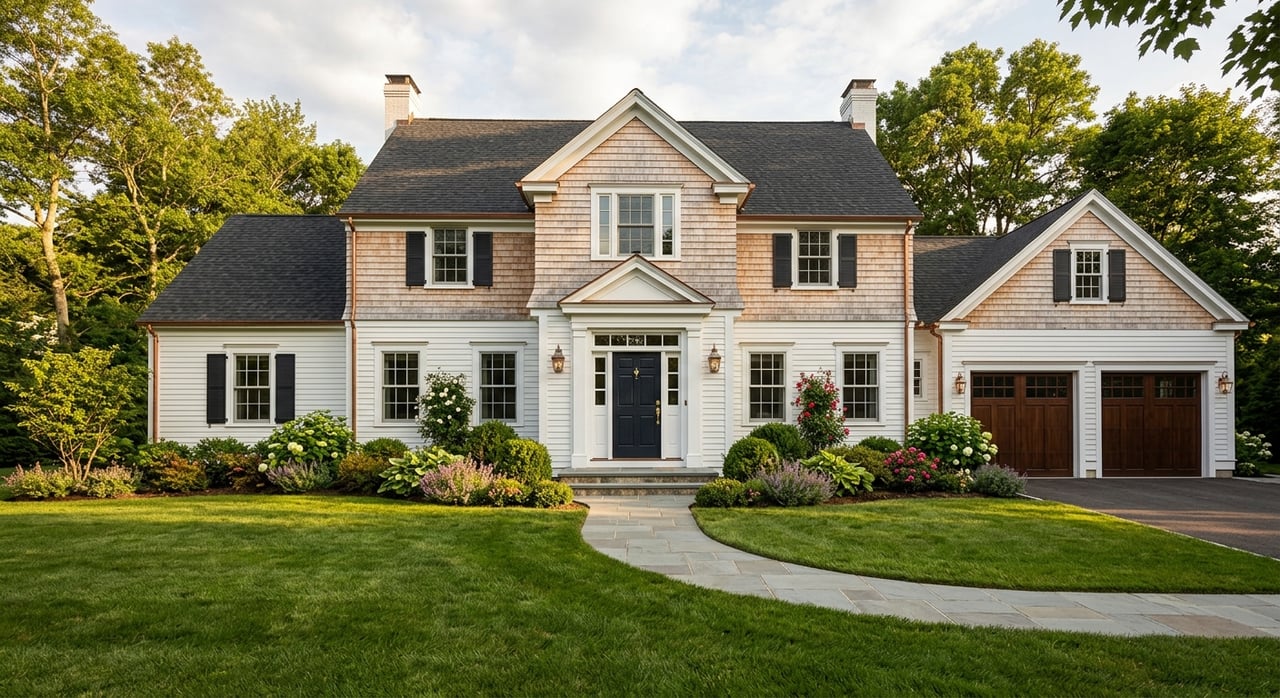
Updated kitchens and baths reduce friction. Neutral, well‑finished spaces help buyers say yes sooner and can strengthen offers. Curb appeal works the same way by lifting first impressions.
Energy‑efficient homes often move more quickly. Lower operating costs and comfort show up during tours and impact willingness to pay. Clear documentation of upgrades builds confidence.
Flood risk is a key filter. Homes with mitigation and transparent insurance information appeal to a wider buyer pool. Properties in high‑risk zones without mitigation may sit longer or need price adjustments.
Timing also matters in a coastal market. Listing into spring and early summer captures more buyers who want to settle in before peak season. A strong pricing strategy paired with good presentation is your best lever.
Seller priorities: what to do first
Focus on improvements that buyers notice and that reduce uncertainty.
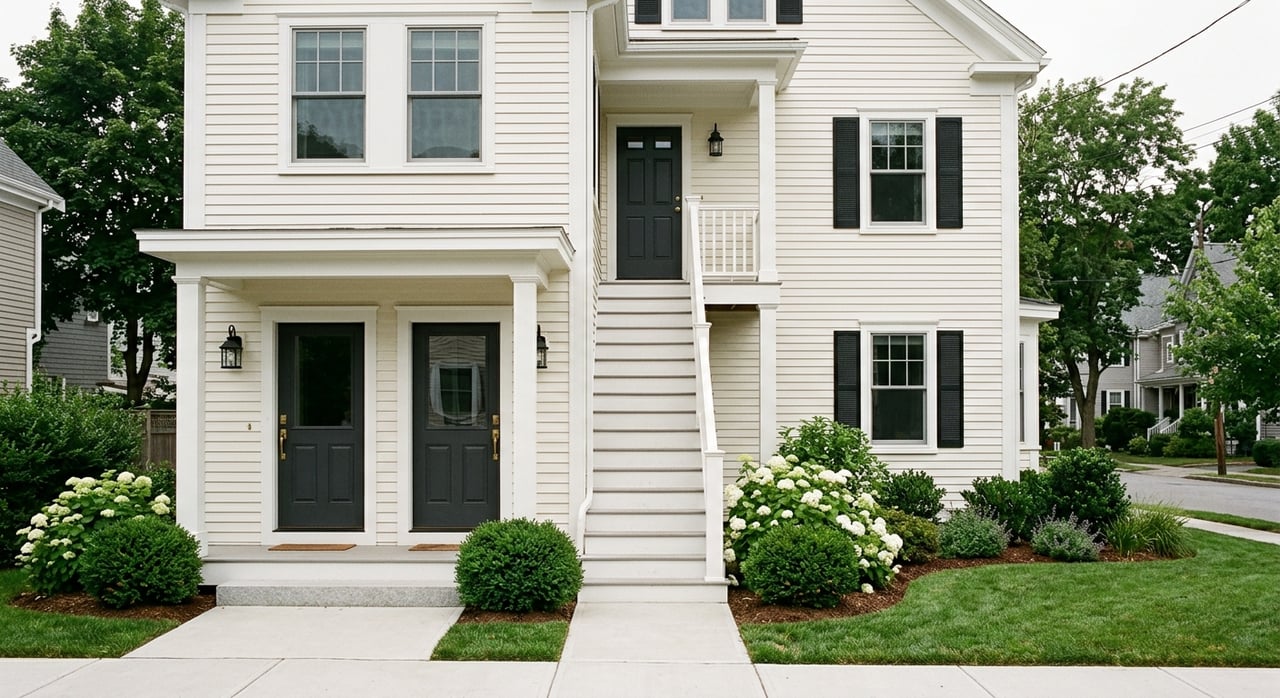
- Boost curb appeal and catch up on exterior maintenance. Fresh paint or siding touch‑ups, a clean roofline, and simple landscaping go a long way.
- Refresh the kitchen and primary bath. Update lighting, counters, and fixtures. Keep finishes neutral and durable.
- Tune up the basics. Service HVAC, check electrical, and gather septic and maintenance records. Fix small issues before inspection.
- Make outdoor space inviting. Repair decks and stairs, add simple seating areas, and tidy yard edges to extend living outdoors.
- Document flood‑related work if relevant. Elevation certificates, flood vents, and utility elevation notes give buyers clarity.
- Add visible energy wins. A smart thermostat, clean filters, and clear notes on insulation or heat pump upgrades support comfort and cost savings.
Tip: Avoid over‑customization. Durable, salt‑tolerant exterior materials and clean, neutral interiors appeal to more buyers in a shoreline town.
Buyer due diligence: what to check early
Go beyond the listing details so you can buy with confidence.
- Confirm FEMA flood zone, elevation, and insurance estimates. Get a quote based on the specific property.
- Schedule thorough septic and well inspections if applicable. Ask for replacement timelines and cost ranges.
- Verify shoreline access, rights, and any dock or mooring permits. Understand maintenance responsibilities.
- Compare system ages across homes. Factor roof, HVAC, windows, and septic lifecycle into your total cost of ownership.
- Model monthly costs. Include utilities, insurance, and routine maintenance so you compare homes apples to apples.
Rules and incentives to know
Planning changes and incentives can affect value and long‑term plans. Check East Lyme’s planning and zoning rules for additions, decks, and any accessory dwelling unit options. Permits and coastal regulations can shape your timeline.
Explore statewide resources for energy upgrades and solar financing. Connecticut programs and the state’s green financing options can reduce upfront costs and improve resale appeal. Coastal guidance from state environmental agencies can help you plan resilience work.
When to list in East Lyme
Spring often delivers the most buyer traffic in shoreline towns as people plan for summer. Well‑positioned homes can continue to perform through summer when outdoor spaces look their best. If you are targeting peak demand, align your timeline with seasonal patterns and aim for strong presentation on day one.
Your pricing strategy should reflect current inventory and recent local sales. Well‑prepared homes with the right features tend to move faster, especially near the water or walkable village areas.
The bottom line for East Lyme sellers and buyers
Buyers want a shoreline lifestyle without surprises. Homes that balance open living with flexible spaces, updated kitchens and baths, solid systems, and practical coastal resilience tend to sell faster and with stronger offers. Clear documentation and simple, visible upgrades reduce friction at every step.
If you are getting ready to list, focus on the improvements above and plan your timing. If you are buying, front‑load your due diligence so you can act quickly on a great home.
Ready to talk through your plan and timing in East Lyme? Reach out to Miles A Lafemina for a local, no‑pressure consultation.
FAQs
Do East Lyme waterfront homes always sell for more?
- Waterfront and water‑access properties typically command a premium due to limited supply and strong demand, but flood risk, shoreline condition, and insurance costs can change the outcome.
Which renovations deliver the best return in East Lyme?
- Updated kitchens and baths, improved outdoor living spaces, and resolving roof, HVAC, or septic issues tend to shorten days on market and support stronger prices.
How much can flood insurance add to my budget?
- Costs vary widely by FEMA zone, elevation, and building features, so request a property‑specific quote early and review any elevation certificates or prior insurance history.
Are energy upgrades worth it for resale?
- Yes for many homes. Heat pumps, insulation, and smart thermostats improve comfort and operating costs, and buyers increasingly expect these features.
What should I check first when buying near the water?
- Confirm flood zone and insurance, verify shoreline access and permits, review septic and system ages, and factor ongoing maintenance into your total monthly cost.
When is the best time to list in a shoreline market?
- Spring often brings more buyer traffic, with strong performance continuing into summer for well‑presented homes. Align prep and pricing with seasonal demand.